When it comes to keeping your pet healthy, pet dental care is easy to overlook. But your pet’s mouth plays a much bigger role in their overall health and comfort than many owners realize.
Dogs and cats can develop plaque, tartar, gum disease, infected teeth, and painful oral conditions just like people can. The tricky part? Pets are very good at hiding dental pain.
That’s why routine veterinary dental care for dogs and cats is an important part of keeping your pet happy, comfortable, and healthy.
Bad Breath Isn’t Just “Dog Breath”
A little pet breath may seem normal, but strong or unpleasant breath can be one of the first signs of dental disease in dogs and cats.
Plaque begins forming on your pet’s teeth after eating. If it isn’t removed, it can harden into tartar and lead to inflammation and infection around the gums.
Over time, dental disease can cause:
- Painful or inflamed gums
- Loose or damaged teeth
- Tooth root infections
- Difficulty chewing
- Tooth loss
- Chronic oral discomfort
Some dental problems develop below the gumline, which means they may not be visible just by looking inside your pet’s mouth.
Regular pet dental exams can help identify problems before they become more serious.
Could Your Pet Have Dental Pain?
Pets rarely walk up and tell us they have a toothache. In fact, many pets continue eating even when significant dental disease is present.
Watch for signs such as:
- Bad breath
- Yellow or brown tartar buildup
- Red, swollen, or bleeding gums
- Drooling
- Difficulty chewing
- Dropping food while eating
- Chewing on one side of the mouth
- Pawing at the face
- Avoiding hard treats or food
- Facial swelling
- Loose or broken teeth
- Changes in appetite or behavior
If you notice any of these changes, it may be time to schedule a dog or cat dental exam with your veterinarian.
“But My Pet Is Still Eating!”
We hear this one a lot!
Unfortunately, eating normally does not always mean your pet’s mouth is comfortable.
Dogs and cats are incredibly adaptable. They may chew on the opposite side of their mouth, swallow food with very little chewing, or simply learn to live with discomfort.
After painful dental problems are treated, many owners notice their pets seem brighter, more playful, more affectionate, or more excited about food.
Sometimes the biggest sign that a pet was uncomfortable is how much better they feel afterward.
What Happens During a Veterinary Dental Cleaning?
A professional veterinary dental cleaning goes far beyond simply scraping visible tartar from the teeth.
Under anesthesia, your veterinary team can safely and thoroughly evaluate your pet’s entire mouth, including areas below the gumline.
Depending on your pet’s needs, a dental procedure may include:
- A complete oral examination
- Removal of plaque and tartar
- Cleaning beneath the gumline
- Polishing the teeth
- Evaluation of loose, fractured, or diseased teeth
- Dental X-rays when recommended
- Extraction of painful or severely damaged teeth when necessary
The goal isn’t just a prettier smile. It’s a healthier, more comfortable mouth and better long-term oral health.
Home Dental Care Helps, Too
Professional pet teeth cleaning is important, but good dental habits at home can help slow plaque and tartar buildup between visits.
Your veterinarian may recommend:
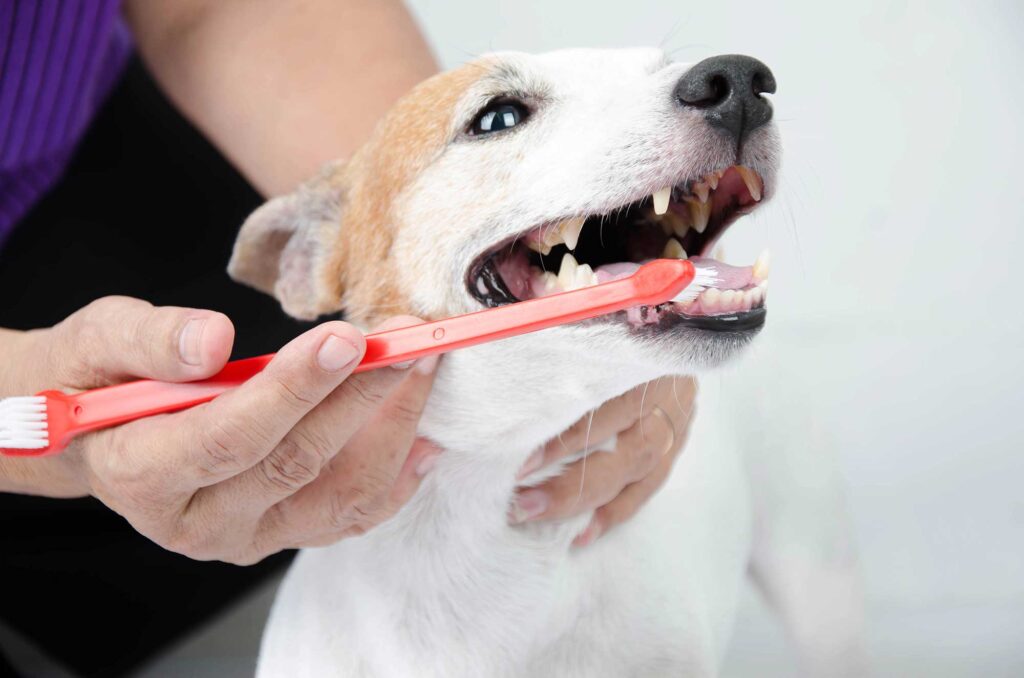
- Brushing with pet-safe toothpaste
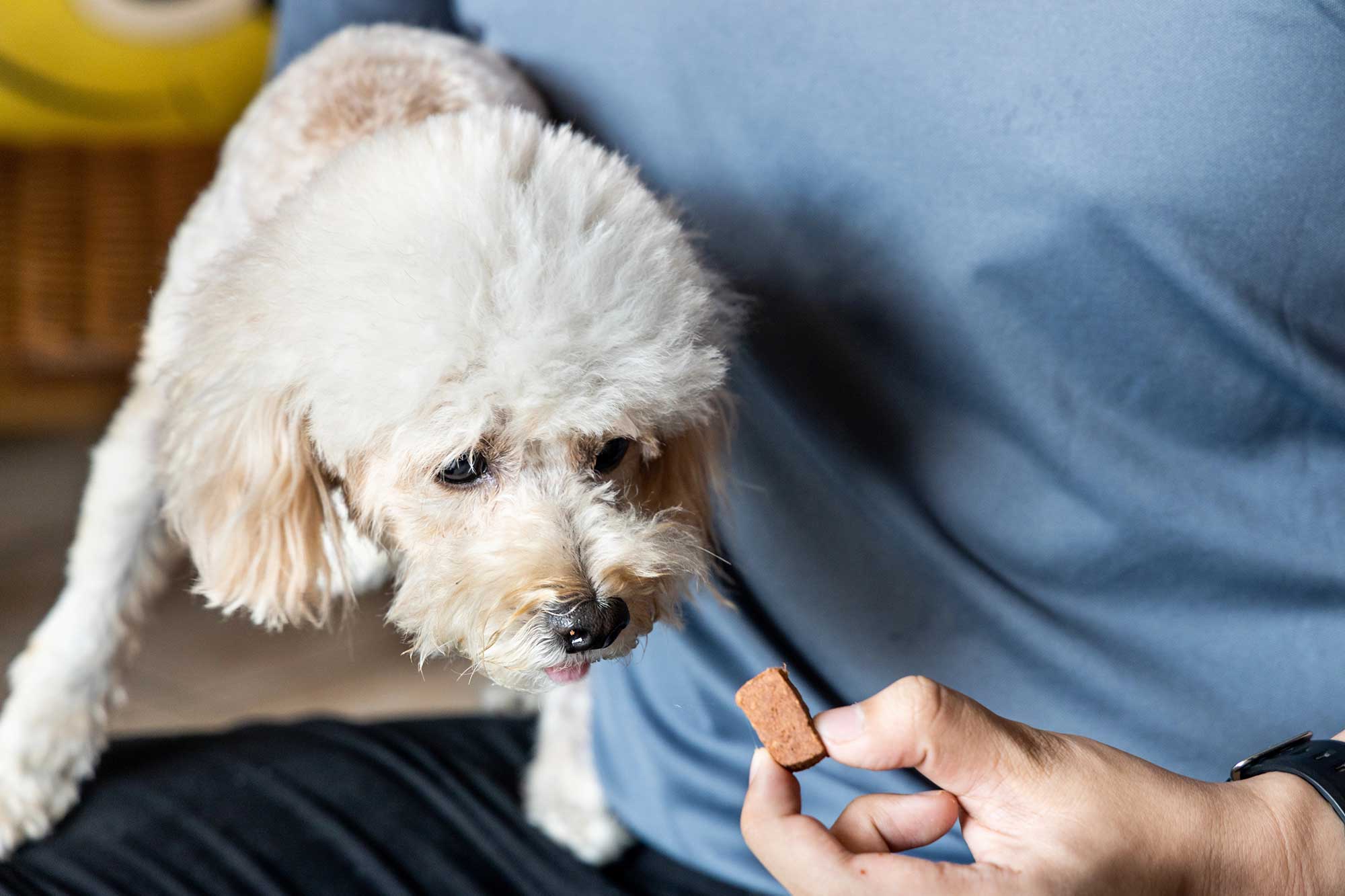
- Veterinary-approved dental chews
- Dental diets
- Oral gels or rinses
- Water additives
- Routine dental examinations
!!! Never use human toothpaste on your pet. Some ingredients found in human dental products can be unsafe for animals.
And if brushing your pet’s teeth feels impossible, you’re not alone. There are plenty of other options, and we can help you find something that works for your pet.
A Healthy Mouth Means a Happier Pet
Dental care isn’t just about fresh breath or clean-looking teeth.
It’s about:
Preventing pain. Reducing infection. Protecting healthy teeth. And helping your pet feel their best.
If your pet has bad breath, visible tartar, red gums, trouble chewing, or simply hasn’t had a dental exam in a while, we’d be happy to take a look.